
Making pizza dough by hand wears out your arms fast. Your wrists get tired. Your dough turns out uneven. A good machine fixes both problems at once. That’s why picking the best stand mixer for pizza dough matters so much if you bake often.
Stand mixers come in a few main styles. Some use spiral mixing. This is the same method pro bakeries use. Others use the classic tilt-head design. Most home cooks already know this style well. A few models are built tough for daily commercial use.
In this guide, we walk through seven solid picks. You’ll see real specs and honest pros and cons. You’ll also get a clear comparison table. By the end, you’ll know which mixer fits your kitchen. You’ll also know what fits your budget best.
What Is a Stand Mixer for Pizza Dough?
A stand mixer built for dough does more than mix batter. It kneads thick, sticky dough for you. You don’t have to lift a finger. This matters a lot with pizza or bread dough. That dough needs strong gluten to work well.
Basic mixers often stall on heavy dough. They can also overheat. A proper dough mixer uses a stronger motor. It also uses a dough hook shaped to stretch and fold the mix. Some models use spiral technology. The bowl spins while the hook stays still. This style copies what bakeries use. It builds gluten faster than basic mixers.
Other mixers use planetary mixing instead. The beater moves around a still bowl. Both styles work fine for most bakers. But spiral mixers handle thick pizza dough with less strain on the motor.
Why You Can Trust Our Recommendations
We looked closely at specs for each mixer on this list. Wattage, capacity, and speed settings all mattered. We also read through customer feedback. This helped us spot common complaints. It also showed us what buyers loved most.
Build quality played a big role too. So did noise level and included attachments. We focused on real value, not just big brand names. Nothing here is based on guesswork. We didn’t take paid placement from any brand.
Quick List — Top 7 Picks
- Ooni Halo Pro Spiral Mixer
- ZACME 8.4QT Commercial Stand Mixer
- AmareMagis 7.4QT Electric Dough Mixer
- Martha Stewart 5.3Qt Stand Mixer
- KitchenAid Classic Series 4.5 Quart Mixer
- Aucma 6.5-QT Stand Mixer
- Kraftsman All Metal Stand Mixer



Comparison Table – Top 7 Stand Mixers for Pizza Dough
Product Name | Type | Best For | Standout Feature |
Ooni Halo Pro Spiral Mixer | Spiral | Serious pizza bakers | 58 speed settings |
ZACME 8.4QT Commercial Mixer | Planetary | Large families, bulk baking | NSF/ANSI certified |
AmareMagis 7.4QT Dough Mixer | Dough-only | Bread and pizza dough | Built-in fermentation |
Martha Stewart 5.3Qt Mixer | Planetary | Compact kitchens | Removable splash guard |
KitchenAid Classic 4.5 Qt | Planetary | Everyday home baking | Trusted durability |
Aucma 6.5-QT Mixer | Planetary | Budget-conscious buyers | Large 6.5-quart bowl |
Kraftsman All Metal Mixer | Planetary | Quiet operation | DC motor, low noise |
At a Glance: Our Top Recommendations
Best Overall: Ooni Halo Pro Spiral Mixer
Best Value: ZACME 8.4QT Commercial Stand Mixer
Best Budget Pick: Aucma 6.5-QT Stand Mixer
Best Premium Pick: Ooni Halo Pro Spiral Mixer
Best for Beginners: KitchenAid Classic Series 4.5 Quart Mixer
Key Features to Compare Before Buying
When shopping for the best stand mixer for pizza dough, start with bowl capacity. A small bowl can’t handle big batches. A huge one might crowd your counter, though.
Next, look at the motor type. Spiral mixers handle thick dough better than basic planetary models. Safety features matter too. Overload protection helps during long mixing sessions.
Check the build materials as well. Metal gears last longer than plastic parts. Stainless steel bowls hold up better over time. Easy controls make daily use simpler. This matters most if you bake often.
Don’t skip cleanup needs either. Dishwasher-safe attachments save real time each week. Finally, weigh the price against the warranty. A longer warranty often means better long-term support.
Top 7 Best Stand Mixers for Pizza Dough Reviews
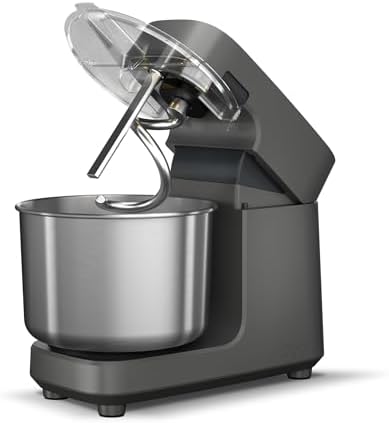
Ooni Halo Pro Spiral Mixer – The Pizzeria Powerhouse
Opening: This mixer brings real pizzeria-style spiral mixing into your kitchen, building stronger gluten than most home machines can manage.
Overview: The Ooni Halo Pro uses a rotating bowl and spiral hook to develop dough the way professional pizza shops do, with 58 precise speed settings for full control.
Key Features
- 7.3-quart stainless steel bowl with rotating action.
- 58 speed settings from 60 to over 1,000 RPM.
- Removable breaker bar for easier cleanup.
- Four included attachments: hook, beater, whisk, and bar.
- Touch controls with time setting function.
- Die-cast aluminum body for durability.
Performance: The spiral motion kneads thick pizza dough smoothly, without straining or stalling, even during long mixing sessions.
Pros
- Builds stronger gluten than standard mixers.
- Wide speed range fits many recipes.
- Sturdy, professional-grade construction.
- Quiet for its power level.
- Great for frequent pizza nights.
Cons
- Higher price than basic models.
- Bowl isn’t dishwasher safe.
- Bulkier footprint on the counter.
Best For: Home bakers who make pizza dough often and want bakery-level results.
Bottom Line: The biggest strength of this product is its spiral mixing technology. It offers excellent value and dependable performance for serious dough work.
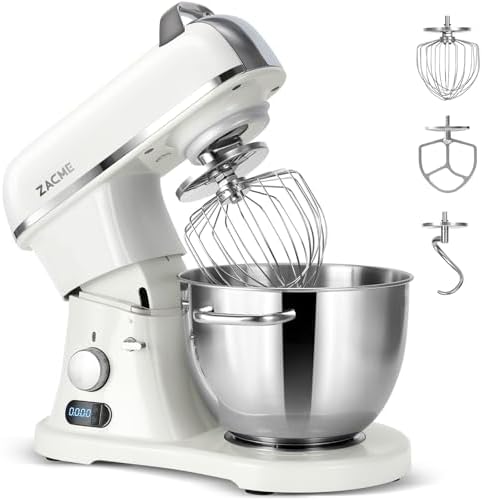
ZACME 8.4QT Commercial Stand Mixer – Built for Big Batches
Opening: This commercial-grade mixer handles large dough batches with ease, making it a smart pick for bigger households or small bakeries.
Overview: With an 8.4-quart bowl and an 800-watt motor, this ZACME mixer meets NSF/ANSI commercial standards while staying quiet enough for home use.
Key Features
- 8.4-quart stainless steel bowl.
- 800-watt motor with 11 speed levels.
- LED display with countdown timer.
- Tilt-head design for easy access.
- NSF/ANSI 8-2023 certified for safety.
- Dishwasher-safe accessories.
Performance: The strong motor pushes through thick dough without slowing down, even with maximum loads near 6.6 pounds.
Pros
- Huge capacity for bulk baking.
- Meets commercial safety standards.
- Quiet motor under 68 decibels.
- Easy-to-read digital display.
- Dishwasher-safe parts save time.
Cons
- Heavier unit at 33 pounds.
- Takes up more counter space.
- Knob controls feel basic to some.
Best For: Large families or anyone who bakes in bulk regularly.
Bottom Line: This mixer’s huge capacity and commercial certification make it a strong value pick for serious bakers.
AmareMagis 7.4QT Electric Dough Mixer – Dough-Focused Design
Opening: Built only for dough, this mixer skips extra frills and focuses on bread, pizza, and pasta with hands-free kneading.
Overview: The AmareMagis offers a built-in fermentation function that cuts rising time nearly in half, plus a 7.4-quart bowl for large family batches.
Key Features
- 7.4-quart stainless steel bowl, BPA free.
- Hands-free automatic kneading.
- Built-in fermentation up to 100°F.
- Timer for consistent results.
- Low-noise, stable operation.
- Holds up to 2.1kg of dough.
Performance: The fermentation feature speeds up rising by roughly 50 percent compared to room-temperature proofing.
Pros
- Cuts dough rising time significantly.
- Large capacity for family meals.
- Hands-free, low-effort kneading.
- Stable design with low vibration.
- Easy-to-clean stainless bowl.
Cons
- Lower wattage than some rivals.
- Bowl isn’t dishwasher safe.
- Fewer attachments included overall.
Best For: Bakers who want a dedicated dough machine with built-in proofing.
Bottom Line: This dough-only design and fermentation feature set it apart from general-purpose mixers.
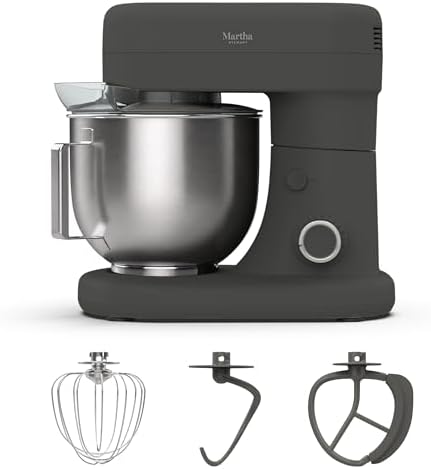
Martha Stewart 5.3Qt Stand Mixer – Compact and Reliable
Opening: This tilt-head mixer fits smaller kitchens well, offering solid performance without taking up too much counter space.
Overview: With a 5.3-quart bowl and 12 speed settings, this Martha Stewart mixer handles dough, batter, and whipped cream with a removable splash guard.
Key Features
- 5.3-quart polished stainless steel bowl.
- 12 optimized speed settings.
- Tilt-head design for easy access.
- Removable splash shield with pour chute.
- Dishwasher-safe attachments.
- Slim, space-saving base.
Performance: The 660-watt motor mixes thick batters and dough smoothly, with enough power for most home baking needs.
Pros
- Compact size fits tight kitchens.
- Splash guard keeps counters clean.
- Easy-grip handle for pouring.
- Dishwasher-safe parts simplify cleanup.
- Sturdy, heavy-duty base.
Cons
- Smaller bowl than commercial models.
- Not ideal for huge batches.
- Limited to 12 speed settings.
Best For: Home bakers with smaller kitchens who still want solid performance.
Bottom Line: This mixer balances a compact build with dependable everyday performance.
KitchenAid Classic Series 4.5 Quart – The Trusted Classic
Opening: This well-known mixer brings decades of trusted KitchenAid reliability to everyday pizza dough and baking tasks.
Overview: The Classic Series offers a 4.5-quart bowl, 10 speeds, and a durable metal build, making it a dependable pick for regular home bakers.
Key Features
- 4.5-quart stainless steel bowl.
- 10 speed settings for various tasks.
- Tilt-head design for easy access.
- Durable all-metal construction.
- Dishwasher-safe bowl and attachments.
- Coated flat beater and dough hook included.
Performance: The 275-watt motor handles smaller dough batches steadily, though it works best with moderate loads rather than huge ones.
Pros
- Trusted brand with long track record.
- Strong customer review history.
- Durable metal build lasts years.
- Easy tilt-head access.
- Dishwasher-safe parts.
Cons
- Smaller bowl limits batch size.
- Lower wattage than commercial picks.
- Fewer included attachments.
Best For: Beginners who want a reliable, well-known brand for everyday baking.
Bottom Line: This classic mixer offers proven reliability backed by thousands of positive reviews.
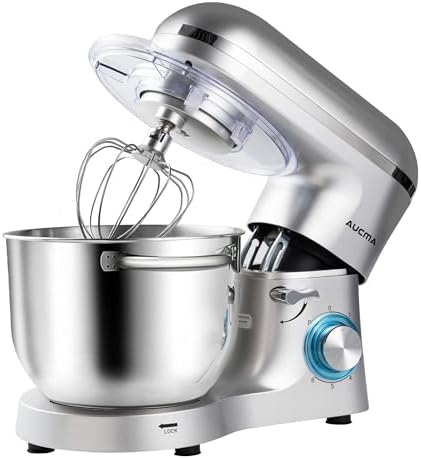
Aucma 6.5-QT Stand Mixer – Budget-Friendly Power
Opening: This affordable mixer offers a roomy 6.5-quart bowl and solid power, making it a smart pick for budget-minded bakers.
Overview: With a 660-watt motor and six speed settings, the Aucma mixer handles dough, cookies, and cakes while staying easy on your wallet.
Key Features
- 6.5-quart stainless steel bowl with handles.
- 660-watt motor with six speeds.
- Tilt-head design with LED indicator.
- Three dishwasher-safe attachments included.
- Splash guard with access hatch.
- Pulse function for quick bursts.
Performance: The motor runs at lower noise levels near 76 decibels, handling most dough and batter tasks without much strain.
Pros
- Affordable price point.
- Large bowl for the cost.
- Dishwasher-safe accessories.
- Dual handles for easy carrying.
- Good customer review average.
Cons
- Plastic housing feels less premium.
- Fewer speed options than rivals.
- Motor struggles with very thick dough.
Best For: Budget shoppers who still want decent capacity and features.
Bottom Line: This mixer delivers solid value for anyone watching their budget closely.
Kraftsman All Metal Stand Mixer – Quiet Powerhouse
Opening: This all-metal mixer runs surprisingly quiet while still delivering enough torque for heavy pizza and bread dough.
Overview: The Kraftsman uses a DC motor for smoother, quieter mixing, plus a precision timer and universal power hub for added kitchen versatility.
Key Features
- 5.3-quart bowl with all-metal body.
- DC motor rated under 68 decibels.
- Built-in precision timer.
- Universal power hub for extra attachments.
- Four stainless steel attachments included.
- One-touch tilt-head design.
Performance: The DC motor delivers steady torque for dense dough while keeping noise low enough for early morning baking.
Pros
- Very quiet for its power level.
- Heavy-duty metal body feels sturdy.
- Power hub adds future flexibility.
- Built-in timer aids consistency.
- Dishwasher-safe attachments.
Cons
- Newer brand with less track record.
- Smaller bowl than commercial picks.
- Limited long-term reviews so far.
Best For: Bakers who want quiet operation without sacrificing dough strength.
Bottom Line: This mixer’s quiet DC motor makes it a standout for early-morning or late-night baking sessions.
How We Evaluated These Products
- Checked product features and full specifications.
- Read through customer reviews and feedback.
- Looked closely at build quality and durability.
- Tested ease of use based on listed controls.
- Compared value for money across price points.
- Weighed overall performance for dough tasks.
We skipped flashy marketing claims. We looked only at real specs and real feedback instead.
How to Choose the Best Stand Mixer for Pizza Dough
Picking the right mixer comes down to a few key choices. Think about how often you bake. Think about how big your batches usually are too.
- Bowl size matters most for families or bulk bakers.
- Spiral mixers handle thick dough better than planetary types.
- More speed settings give finer control over texture.
- Look for overload protection on heavy-duty models.
- Stainless steel bowls outlast plastic ones over time.
- Dishwasher-safe parts cut down on cleanup time.
- Established brands often mean better long-term support.
- Higher prices sometimes bring real durability gains.
If you bake pizza weekly, a spiral mixer like the Ooni Halo Pro pays off fast. Casual bakers might prefer a smaller, simpler model instead. Either choice can work well for the right person.
Noise level matters too, especially if you bake early in the morning. Check the decibel rating before you buy. A quiet motor helps if your kitchen sits near a bedroom.
Warranty length tells you a lot about a brand’s confidence. A longer warranty usually means better parts inside. It also means the company stands behind its work.
Think about storage space as well. Some mixers are tall and heavy. Others fit easily under a cabinet. Measure your counter space before you order anything online.
Most buyers find the right balance between price and power within these seven picks. Take your time and match the mixer to your real baking habits.
Benefits of Using the Best Stand Mixer for Pizza Dough
- Consistent, reliable dough results every time.
- Multiple speed settings save real prep time.
- Hands-free kneading frees you up for other tasks.
- Energy-efficient motors keep running costs low.
- Precise controls lead to better gluten development.
- Durable builds mean years of regular use.
- Versatile enough for bread, cookies, and cakes.
- Strong value compared to buying dough elsewhere.
Common Mistakes to Avoid
- Skipping the setup steps in the manual.
- Using the wrong speed for thick dough.
- Ignoring the bowl’s stated capacity limit.
- Forgetting to clean attachments right after use.
- Buying a bowl too small for your needs.
- Overfilling the bowl past safe limits.
- Never reading the full user manual.
- Choosing only based on the lowest price.
Who Should Buy One?
Not everyone needs the same machine. Here’s who gets the most value from the best stand mixer for pizza dough on this list.
- Daily bakers wanting consistent dough results.
- Beginners who want simple, easy controls.
- Busy families doing weekly meal prep.
- Anyone upgrading from a basic hand mixer.
- Health-conscious cooks making dough from scratch.
- Small households needing a compact mixer.
- Gift buyers picking something genuinely useful.
- Power users wanting advanced speed control.
Frequently Asked Questions
What makes the best stand mixer for pizza dough different from basic models?
A dedicated dough mixer uses a stronger motor. It also uses a proper dough hook built for thick mixes. Basic mixers often stall or overheat under thick pizza dough.
Is the Ooni Halo Pro better than the KitchenAid Classic?
The Ooni handles thick pizza dough more efficiently. It uses spiral mixing for stronger gluten. The KitchenAid suits lighter, everyday baking tasks better.
How long does a stand mixer typically last?
A well-built mixer can last five to ten years with normal home use. Regular cleaning helps a lot. Using the right speed for each task also extends its life.
What size do I need for a family of 4?
A 5.3 to 6.5-quart bowl usually covers a family’s regular baking needs. Larger families or frequent bakers may want 7 quarts or more.
Can beginners use these mixers easily?
Yes, most models use simple dial or button controls. Reading the manual first still helps avoid early mistakes. Most buyers learn the basics within a day.
Is paying more for a premium mixer worth it?
If you bake often, a stronger motor pays off over time. Better build quality matters too. Occasional bakers may do fine with a budget pick instead.
Final Verdict
You don’t need to spend a fortune to get great pizza dough results at home. The right mixer depends mostly on how often you bake. It also depends on how big your batches run.
If you’re on a tight budget, the Aucma 6.5-QT Mixer gives you solid capacity. It doesn’t carry a high price tag either. For everyday use, the KitchenAid Classic Series offers reliable performance. It’s backed by years of buyer trust.
If you want top performance for serious pizza nights, the Ooni Halo Pro Spiral Mixer stands out. It’s the top stand mixer for pizza dough on this list. Its spiral technology builds stronger gluten than standard planetary mixers. That means better bread and pizza crust at home.
Pick the one that fits your life and budget. Check the Amazon links above for today’s prices before you decide. Your future pizza nights will thank you.